AmCham Saudi Arabia Committees
Message from the Chair
Defense & Security Committee
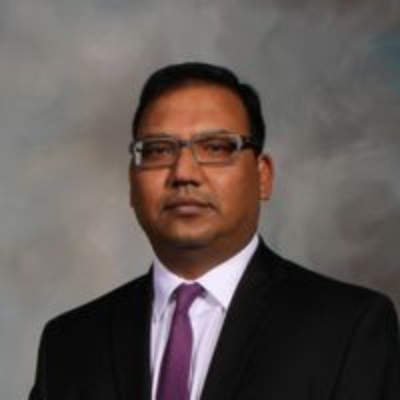
FARAN SIDDIQI, BAE Systems
Committee Chair
A Partnership Built to Last: The U.S.–Saudi Defense Relationship
For more than eight decades, the United States and the Kingdom of Saudi Arabia have built one of the most consequential security partnerships in the world. The White House describes the Strategic Defense Agreement as strengthening that 80-year-plus partnership and fortifying deterrence across the Middle East. The bond rests on trust, shared interests, and a common commitment to regional stability.
The Strategic Defense Agreement affirms that the two countries are security partners able to confront regional and international challenges together, deepening long-term coordination, strengthening deterrence, raising readiness, and integrating defense capabilities. The Crown Prince captured the mood of the visit: “Today is a very important time in our history.”
President Trump has called Saudi Arabia “a great ally,” and he announced the designation of Saudi Arabia as a Major Non-NATO Ally, saying “We’re taking our military co-operation to even greater heights.” The designation eases defense technology sharing and is a lasting symbol of close ties. The next day, the President said the U.S. would be selling Saudi Arabia some of the greatest military equipment ever built. The package includes future F-35 deliveries and the purchase of nearly 300 American tanks, strengthening Saudi defense capacity while supporting American manufacturing jobs. Both countries benefit.
Vision 2030 gives this partnership a forward-looking purpose. The Kingdom’s reform agenda is building a diversified, innovative economy, and defense is a central part of it. Under the Vision, U.S. defense suppliers are expected to produce some components locally, with a goal of localizing 50 percent of military spending and creating tens of thousands of Saudi jobs by 2030. U.S. companies are natural partners in this effort. Our technology, training, and industrial experience will help build Saudi expertise in maintenance, manufacturing, and advanced systems. The Strategic Defense Agreement also makes it easier for U.S. defense companies to operate in the Kingdom. The result is shared security today and shared industrial capability tomorrow.
Behind the headlines, AmCham Saudi Arabia and the Defense and Security Committee will play a key part in that effort. The AmCham Defense and Security Committee is a trusted platform where U.S. companies come together. Through the committee, we continue to facilitate high-level engagements that connect U.S. defense industry with Saudi decision-makers and help our members understand how to partner under Vision 2030’s localization goals.
The committee also gives U.S. defense firms a collective voice. It shares market insights, supports their presence in the Kingdom, and carries the industry’s perspective back to political leaders in Washington. In this way, we help turn the vision of leaders into lasting commercial and operational partnerships.
Education Committee
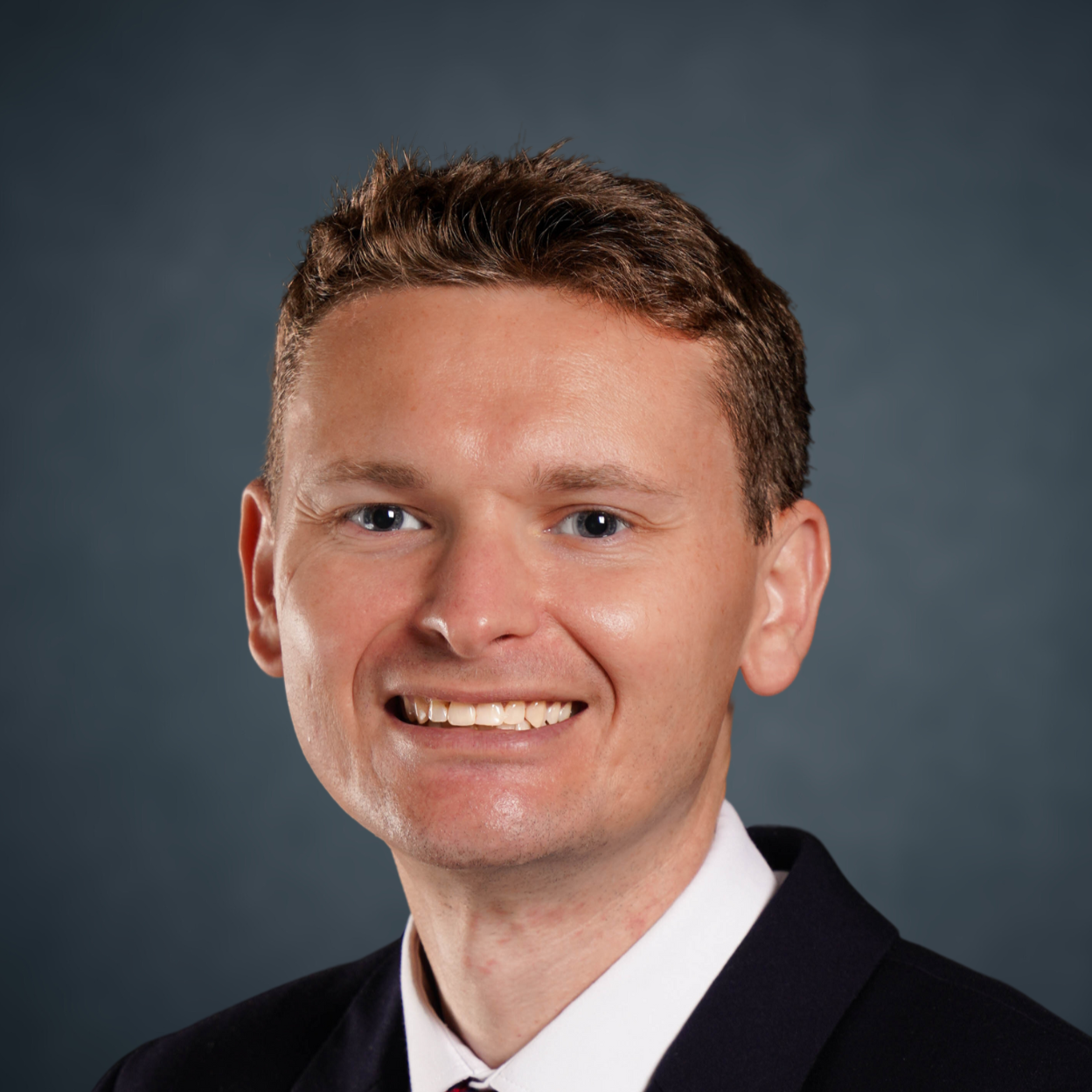
Nasser Nabhan, Ed.D., American International School of Jeddah
Committee Chair
Saudi Arabia’s education sector is undergoing significant transformation as the Kingdom advances the ambitions of Vision 2030. From regulatory and policy reforms to the growth of private education, international curricula, early childhood education, and new opportunities for investment and innovation, the landscape is evolving rapidly. These developments are creating both opportunities and important questions for educators, investors, service providers, and businesses operating across the sector.
Against this backdrop, the Education Committee has established a focused program of activity for 2026–27, aligned with AmCham Saudi Arabia’s five lines of effort: networking, thought leadership, opportunity promotion, advocacy, and support services.
We will begin with our Education Committee Townhall on October 11 at 4:00 PM, where we will present our strategic priorities for the year and, importantly, hear directly from our members about the issues, opportunities, and challenges that matter most to them.
During Q2, we will also finalize plans for the MENA Education Investment Forum in Riyadh in December and prepare a podcast exploring Saudi Arabia’s evolving education laws and regulatory framework—an area of growing importance for organizations navigating the Kingdom’s changing education environment.
Looking ahead to Q3, we plan to establish an Advisory Group of AmCham member education-sector experts to provide practical insights and support the committee’s advocacy efforts. We will also launch an Internship Database, connecting students with real-world opportunities across AmCham member companies and helping strengthen the link between education and the workforce.
In Q4, the committee will bring members together through our Career Forum and the SOAR Early Childhood Education Conference on April 17 in Jeddah, while also developing a white paper on the new education laws to help inform the conversation around the sector and support our members’ advocacy priorities.
Our goal throughout the year is to ensure that AmCham members have a meaningful platform to understand and engage with the changes shaping Saudi Arabia’s education sector. We want the committee to be a place where members can exchange expertise, identify emerging opportunities, raise shared challenges, and contribute constructively to the Kingdom’s education agenda.
We look forward to engaging with you throughout the year and hope to see you at our October 11 Townhall.
Energy Committee
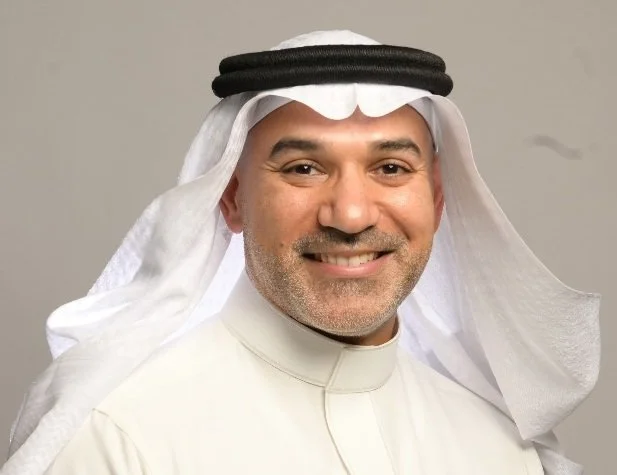
Ahmed Hafiz, NOVEL Non-Metallic Solutions
Committee Chair
The Kingdom's four flagship energy initiatives define this moment: the Jafurah unconventional gas field — the Middle East's largest shale gas program, ramping toward two billion standard cubic feet per day by 2030 — Aramco's global liquefied natural gas strategy targeting close to twenty million tonnes per annum, a refining and petrochemical expansion anchored by the SATORP Amiral project and the Jazan complex, and the landmark US-Saudi civilian nuclear cooperation agreement signed in July 2026. Behind all four sit the same questions: which technologies, which companies, and which financing structures will deliver them. American industry has credible answers across every one.
The Energy Committee's mandate for 2026–2027 is organized around the Energy Trilemma — the framework that reflects exactly how the Ministry of Energy, MISA, MOI, and Saudi Aramco think about the Kingdom's energy priorities. Under Energy Security, we will engage the power generation, grid resilience, and upstream gas investment environment — including the regulatory and financing structures required to support the Kingdom's growing electricity demand. Under Energy Equity, we will connect our members to the opportunities created by Aramco's IKTVA program and its seventy-five percent local content target by 2030, the MISA investment pathway, and the SPARK industrial zones — the mechanisms through which American companies can build lasting presence in the Kingdom rather than simply serve it from a distance. Under Environmental Sustainability, we will address renewables integration, the Jubail carbon capture and storage hub as a live US-Saudi sustainability reference project, critical minerals aligned with the Ministry of Industry's mandate, and the rapidly growing demand for power infrastructure to support artificial intelligence and data center development.
The World Petroleum Congress in Riyadh — the first time in the Congress's ninety-year history that it convenes in the Kingdom — is our first major moment as a committee. With a strong presence of US energy companies participating in the Congress, we see it not simply as an industry gathering but as a platform for substantive engagement. On the sidelines, the committee will host a closed-door roundtable bringing together the US Secretary of Energy, senior Saudi government representation, and industry leadership — an opportunity to move from conference dialogue to defined priorities for US-Saudi energy cooperation in the year ahead.
Throughout 2026–2027, we will bring members together through focused roundtables, working groups, and thought leadership that we intend to be specific and actionable. The goal is not more discussion — it is to help our members identify practical opportunities, escalate the issues that matter, and collectively carry more weight in the conversations that are shaping the Kingdom's energy future.
Saudi Arabia is helping shape what comes next in global energy. American companies have the technology, the track record, and now the bilateral frameworks to be genuine partners in that transformation. The committee exists to make sure they are building it from within — not watching from the outside.
I look forward to seeing you at our Virtual Town Hall on Sunday, 5 October, at 11:00 AM Arabia Standard Time, where we will walk through the year plan, confirm our working group priorities, and get to work.
Environmental, Social & Governance (ESG) Committee
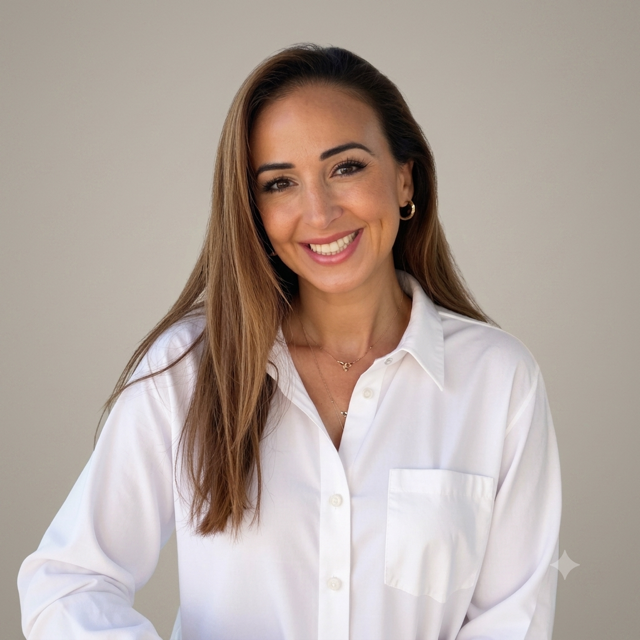
Dareen Ayyad, PepsiCo
Committee Chair
ESG is moving from the margins of business strategy to the centre of how companies think about growth, risk and long-term value creation. In Saudi Arabia, this shift is particularly significant as the Kingdom undergoes one of the most ambitious economic transformations in the world.
For businesses, the question is no longer simply what ESG means. It is how we translate sustainability, good governance and social impact into decisions that strengthen businesses, create new opportunities and support the Kingdom’s economic ambitions.
This is the space I would like the AmCham ESG Committee to occupy: a place for practical, business-led conversations about the opportunities and challenges facing companies in Saudi Arabia. Our role is to bring different perspectives to the table, challenge conventional thinking and, where possible, move from discussion to action.
I am pleased to introduce our committee leadership team: Dr. Raed Al Zubi, Co-Chair, and Turki Alfaer, Program Director. I look forward to working closely with Raed and Turki, alongside our committee members, to build a program that reflects the breadth of ESG and the realities businesses are navigating today.
Our agenda will explore issues including circularity and resilience, climate and resource efficiency, responsible investment, governance, social impact, and innovation and technology. We will also look at the practical intersection between ESG and business — including how companies can manage emerging risks, identify opportunities, strengthen competitiveness and build resilience.
But the value of this committee will ultimately depend on the participation of its members. I encourage every member to bring your experience, questions and ideas to the table. Share the challenges your organization is facing, the solutions you are testing, and the areas where you believe greater collaboration or engagement can make a difference. If there are issues we should be discussing, experts we should be hearing from, or initiatives we should be pursuing, I encourage you to put them forward.
This should be a committee shaped by its members — not simply a program delivered to them. Your participation can help determine our priorities, deepen the quality of our conversations and turn the committee into a practical platform for collaboration and action.
Saudi Arabia’s transformation presents an opportunity to rethink what sustainable business can look like. I hope the ESG Committee can contribute to that conversation by connecting people, ideas and expertise across the AmCham community — and by helping turn shared ambitions into practical outcomes.
Healthcare Committee
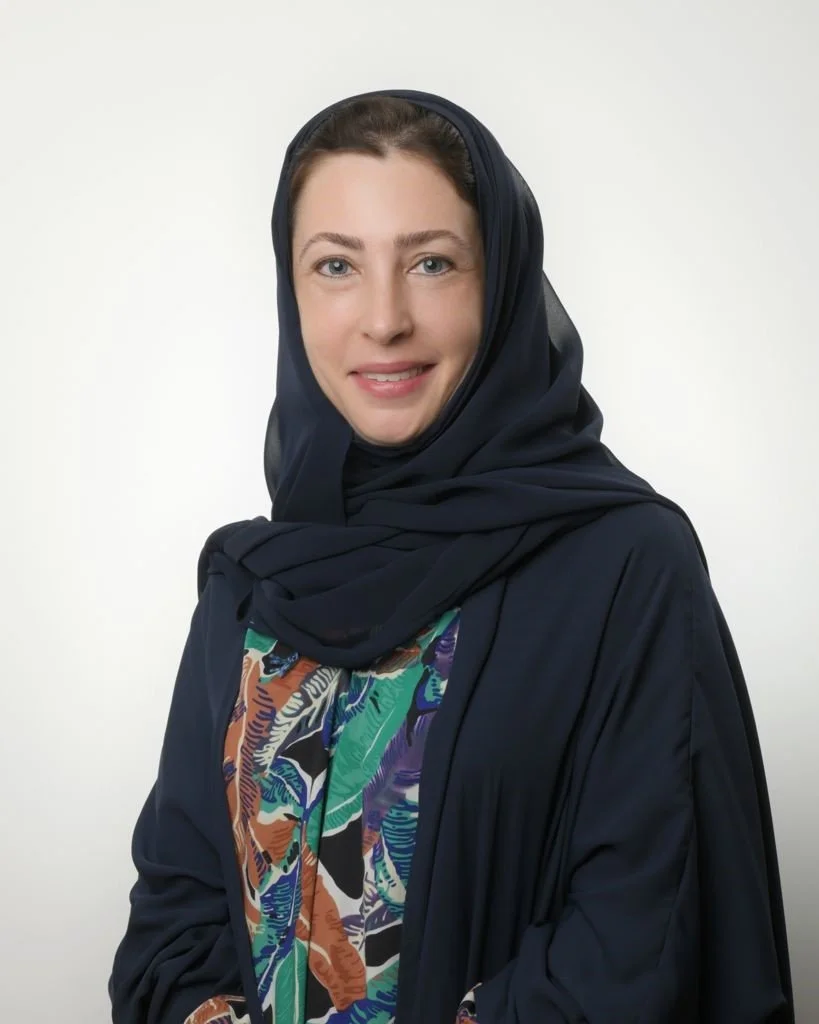
Dana Al Ajlani, Eli Lilly Saudi Arabia
Committee Chair
It is an exciting time to be part of Saudi Arabia’s healthcare transformation.
The Kingdom’s healthcare landscape is evolving at an extraordinary pace. Vision 2030 and the Health Sector Transformation Program are creating new opportunities to rethink how healthcare is delivered, how innovation is adopted, and how technology, investment, and partnerships can contribute to better outcomes for patients. From pharmaceuticals and medical devices to diagnostics, digital health, data, and emerging technologies, the breadth of innovation shaping the sector is significant.
At the AmCham Saudi Arabia Healthcare Committee, we see an important role for the private sector in supporting this transformation. Our Committee brings together leading U.S. healthcare companies and industry leaders across a diverse range of sectors, creating a platform for members to share expertise, engage with key stakeholders, and contribute constructively to the Kingdom’s evolving healthcare priorities.
Our focus this year will be on strengthening collaboration, advancing healthcare innovation, and supporting an environment where new solutions can move more effectively from innovation to implementation and, ultimately, to the patient. We will continue to facilitate meaningful dialogue around the issues affecting our members and the broader healthcare ecosystem, while identifying opportunities where industry can work alongside government and other stakeholders to support the Kingdom’s ambitions.
One of our key initiatives this year will be our Patient Access White Paper, which will examine the journey from regulatory registration through to patient utilization. The study will look at areas including regulatory and formulary pathways, funding and procurement, patient support, early access initiatives, and other enablers that can influence how quickly innovative therapies and healthcare solutions reach patients. Importantly, the work will bring together perspectives from across the ecosystem and seek to identify practical, consensus-driven opportunities to improve access and efficiency.
At the same time, we want the Committee to remain a broader platform for our members — one that encourages the exchange of ideas across pharma, medtech, diagnostics, digital health, and other areas of healthcare innovation. By bringing different perspectives to the same table, we can help identify opportunities that may not be visible when looking at the healthcare system through a single lens.
As Saudi Arabia continues to build a more integrated, innovative, and patient-centered healthcare system, I believe there is tremendous value in creating stronger connections between industry, government, healthcare providers, payers, and other stakeholders.
I look forward to working with our Committee members and partners throughout the year and to creating meaningful opportunities for our collective expertise to contribute to the Kingdom’s healthcare journey.
Infrastructure Committee
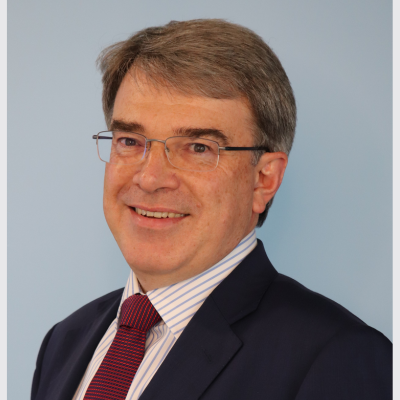
Bryan Harvey, Jacobs
Committee Chair
Vision 2030 has given strong direction to the economic and social development of the Kingdom over the last decade, and within this context, infrastructure can be seen as a core enabler of the transformation.
US companies are partners to many of the Kingdom’s infrastructure developments creating new cities, transportation systems, schools, hospitals and utilities to name a few. We draw not only expertise and lessons from around the world, but equally importantly develop KSA talent to meet current and future capability needs.
The AmCham infrastructure committee serves as a platform to support American businesses within the Kingdom, strengthening U.S. – Saudi commercial ties and fostering a business environment aligned with Vision 2030, through a combination of networking, thoughts leadership, and advocacy. Our 2026/27 program of events creates opportunity for a large proportion of our community to come together to share experiences on current-day subject matter areas including Logistics, Smart Cities and Infrastructure Risk Management, amongst others.
To drive this agenda, I am pleased to introduce the remainder of the infrastructure committee leadership team: Steven Boyce (Co-chair), Ziad Naamani (Program Director) and Konstantinos Karanikolas (Advisor). Between us we bring extensiveknowledge and experience of infrastructure delivery across the Kingdom, and we look forward to connecting with other like-minded infrastructure professionals in our journey of supporting the delivery of Vision 2030.
Professional Services Committee
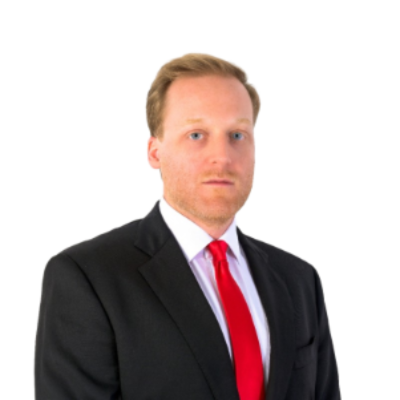
JONATHAN BURNS, HFW (Holman Fenwick Willan)
Committee Chair
As we head into the new AmCham season, I'm pleased to introduce the Professional Services Committee's priorities for 2026-2027. Our Committee endeavors to bring together professionals across law, consulting, accounting, finance, compliance, human capital, governance, and related advisory fields, and we are deliberately inclusive and cross-disciplinary in our approach. Professional services is not a single discipline; it is a broad ecosystem, and our aim is to serve every part of it.
We also see our role extending beyond our own membership. Our Committee aspires to be AmCham Saudi Arabia's principal forum for professional services expertise and a trusted knowledge hub for the wider AmCham committee network, so that every sector committee has a reliable partner for the legal, regulatory, financial, and advisory questions that cut across their own work.
We are also mindful that professionals in our sector work across the Kingdom. AmCham is a Kingdom-wide organization with active chapters in the Eastern Province, Riyadh, and Jeddah, and we are committed to delivering relevant value to members wherever they are based.
To kick off the season, we hosted a virtual Town Hall on Monday, October 5th, bringing together members from across the Kingdom to look at the three issues we believe will most shape our industry over the coming year: 1) the lingering effects of regional geopolitics on investor confidence; 2) the implications of new government spending strategies affecting the deal flow that has driven much of our sector's recent growth; and 3) the accelerating impact of AI on how our firms deliver work and staff, train, and develop personnel. We asked not only where we stand today, but where the industry is heading and how we can adapt, survive, and thrive as an industry.
We look forward to building a Committee that is active, accessible, and genuinely useful, and we invite all professional services members, across every discipline and every region, to get involved. You have a direct line to reach out to any of the Committee leadership or AmCham executive leadership at any time.
Sports, Tourism, Entertainment, and Culture (STEC) Committee

Maxwell Andrews, Monaco House
Committee Chair
Over the past several years, Saudi Arabia’s sports, tourism and entertainment sectors have undergone one of the most dynamic transformations anywhere in the world. We are witnessing the rise of new global destinations, the launch of world-class events, the rapid expansion of infrastructure, and the emergence of a generation of leaders shaping industries that did not exist a decade ago. What is particularly exciting today is that the conversation is no longer about building momentum; it is about sustaining impact, elevating standards, and ensuring these sectors become long-term engines of national competitiveness.
While significant progress has been made across sports participation, tourism development and entertainment growth, the Kingdom is now entering a new chapter focused on deepening capabilities, strengthening ecosystems and accelerating long-term impact. Across federations, ministries, gigaprojects, private operators and international organizations, professionals in these sectors are playing a vital role in shaping the Kingdom’s future.
Against this backdrop, I am pleased to introduce our STEC leadership team for the year ahead: Rakan Alyusuf, Co-Chair; Alessio Picco, Program Director; and Ghassan Nassief, Committee Advisor. Together, we represent a diverse mix of experience across sports management, tourism development, entertainment operations, strategy, and international collaboration. We are united by a shared commitment to strengthening crosssector dialogue, supporting industry growth, and ensuring STEC remains a trusted platform for connection, insight and partnership.
In the coming months, I encourage our members to closely follow the continued evolution of majorevent readiness, venue development, sports investment, tourism diversification and the expanding entertainment landscape. These trends will not only redefine our industries but also create new opportunities for professionals to lead, innovate, and contribute. Through STEC’s initiatives, we will spotlight these developments while providing platforms for learning, discussion, engagement and advocacy.
My hope is that STEC becomes more than a committee, that it serves as a collaborative community where members share experiences openly, exchange ideas, build meaningful relationships and work together to advance the Kingdom’s sports, tourism and entertainment ambitions.
I look forward to meeting many of you at our upcoming sessions and hearing your perspectives on how we can continue building on the remarkable progress achieved so far.
Technology Committee
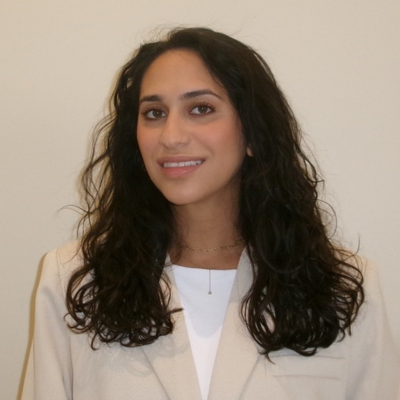
Tala Alem, Google
Committee Chair
As Saudi Arabia accelerates its digital transformation under Vision 2030, technology has moved beyond being an enabler of growth. It now sits at the center of how businesses operate, compete and create value.
The Technology Committee aims to be a platform for connection and knowledge-sharing, and for constructive policy dialogue on AI, cloud, cybersecurity, data and other emerging technologies.
Digital trust and cyber resilience remain a particular priority. As organizations adopt AI and expand their digital infrastructure, their ability to protect systems and customer data becomes fundamental to sustainable growth. Our engagement on cyber resilience at LEAP showed the value of bringing the technology community together to exchange views on how businesses can collectively strengthen the Kingdom's digital ecosystem.
Looking ahead, the Committee will build on this momentum through expert discussions, innovation showcases and research. We will also create opportunities to connect U.S. technology providers with Saudi government entities, enterprises, investors and partners. Part of this work will examine the evolving regulatory landscape and how policy can support responsible technology adoption while enabling innovation and market access.
To support this program, the Committee has engaged Access Partnership, a global technology policy consultancy, as its knowledge partner. Access Partnership will contribute research and policy insight to our discussions, helping members follow regulatory developments in the Kingdom and the wider region and take part in policy conversations with a well-informed view.
We want this to be a space where members can share expertise, identify opportunities and work through emerging challenges together as Saudi Arabia's digital economy continues to grow. I invite you to engage with the Committee and bring forward your perspectives, so that together we can help shape the conversations that will define the Kingdom's technology landscape in the years ahead.
Women in Business (WIB) Committee
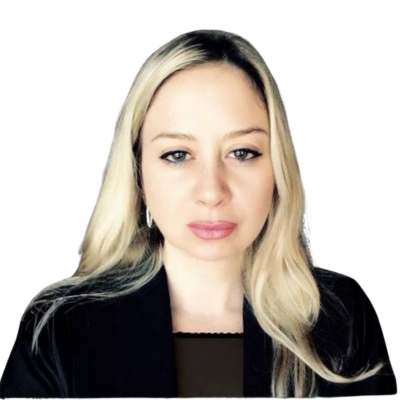
Shirine Solh, ExxonMobil
Committee Chair
Over the past several years, we have witnessed extraordinary progress in the Kingdom: women are leading companies, launching businesses, driving innovation and contributing across nearly every sector of the economy. What is particularly exciting today is that the conversation is no longer focused solely on women's participation in the workforce. It is increasingly about leadership, influence and impact and about ensuring that women have a seat at the table as decisions are made that will shape Saudi Arabia's future.
As many of the Vision 2030 targets related to women's economic participation have already been achieved, attention is increasingly turning to the next chapter: developing future leaders, strengthening pathways to executive and board positions, fostering entrepreneurship and creating workplace cultures where talent can thrive and grow. Across sectors including technology, energy, government, finance, healthcare, consulting, manufacturing and tourism, women are playing a vital role in the Kingdom's transformation.
Against this backdrop, I am delighted to introduce our new Women in Business Committee leadership team: Dena Zedan, Co-Chair; Safa Almarhoun, Program Director; and Nadia Al Atmah, Advisor. Together, we bring a diverse range of experiences, industries and perspectives, united by a shared commitment to advancing women's professional growth and creating opportunities for meaningful connection, collaboration and dialogue. I look forward to working alongside this exceptional team as we build an engaging and impactful agenda for the year ahead.
In the coming months, I encourage our members to watch the continued evolution of leadership development, entrepreneurship and the new opportunities emerging from Saudi Arabia's economic diversification agenda. These trends will not only shape our industries and organizations but also create new avenues for women to lead, innovate and contribute. Through the Women in Business Committee’s initiatives, we will spotlight these developments while providing platforms for learning, discussion, engagement and advocacy.
My hope is that the Women in Business Committee becomes more than a networking platform. I hope it serves as a trusted community where we learn from one another, share experiences openly, build lasting connections and work together as a positive force in advancing women's leadership across the Kingdom.
I look forward to meeting many of you at our upcoming events and hearing your ideas on how we can continue building on the remarkable progress achieved so far.